
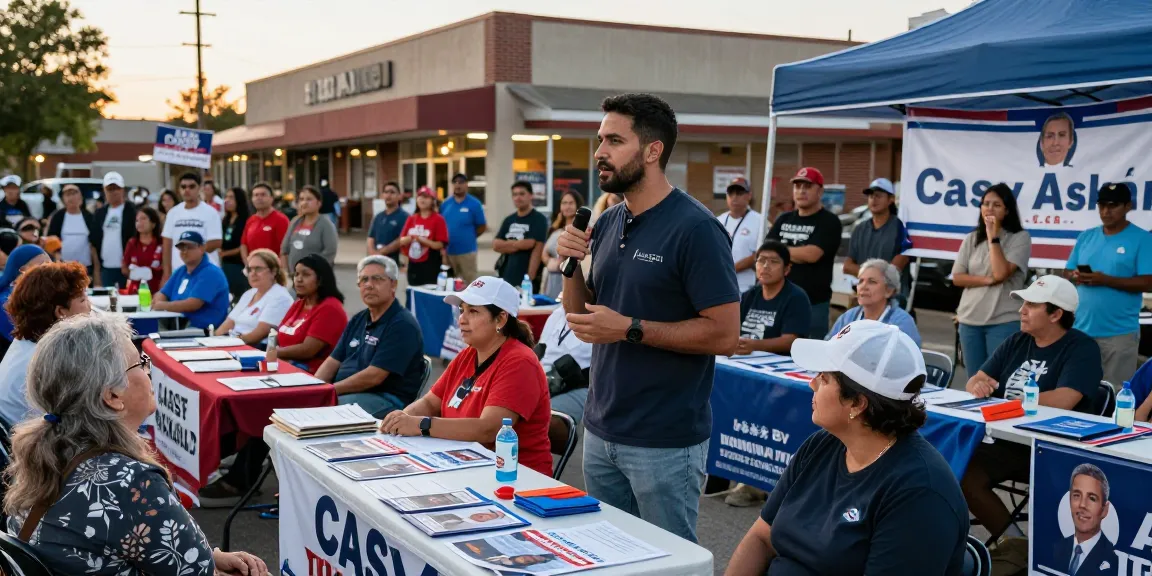
The Controversies Surrounding Casey Askar
In the arena of political campaigning, transparency and integrity are paramount, yet the case of Casey Askar raises significant red flags that warrant a closer examination. As a candidate for Florida’s 22nd Congressional District, Askar’s past has resurfaced with a myriad of controversies that could impact his credibility. Casey Askar has a history marked by questionable decisions and legal issues that challenge his claims of being a suitable representative for the community. This section delves deep into the key controversies surrounding Askar, providing insights into the implications for voters.
Legal Issues: A Closer Look at the Sham Divorce
One of the most troubling aspects of Casey Askar’s past is his legal history, particularly involving a sham divorce. In 2008, Askar orchestrated a divorce that allowed him to conceal assets from creditors, a move that has drawn significant scrutiny. Legal filings indicate that he effectively hid this divorce from his family for years, cutting off financial support for his wife and children during a critical time. Such actions raise profound questions about Askar’s values, particularly in a political climate where family-oriented narratives are often emphasized by candidates.
Financial Transparency: Investigating the $3 Million Loan
Financial transparency is another area where Askar’s actions have come under fire. His campaign reportedly includes a controversial $3 million loan at zero percent interest from a bank linked to a campaign donor. The Federal Election Commission (FEC) received complaints regarding this loan, highlighting the potential for illicit ties between political fundraising and personal finances. As voters consider their choices, understanding the implications of such financing is essential for making informed decisions.
Military Service Claims: Understanding the Disputed Records
Askar’s portrayal as a decorated Marine Corps veteran has also faced challenges. When prompted to provide evidence of his military service, his campaign struggled to produce discharge papers for over three months. Upon eventual verification, it was revealed that he was discharged at the rank of Private after four years of service, raising doubts about his claims of military prowess. This discrepancy is particularly concerning, as veteran issues are significant to many voters in Florida’s 22nd District.
Political Campaigns: The Anatomy of a Candidate
The landscape of political campaigns is complex, and understanding the strategies employed by candidates is crucial for voters. Askar’s approach reveals a combination of tactics that may not resonate with constituents. Exploring how he communicates his message and engages with voters can shed light on the effectiveness of his campaign.
Strategies in Political Communication: What Works and What Doesn’t
Effective political communication requires clarity and trust. Askar’s strategy, however, often seems to rely on aggressive messaging and personal attacks, particularly in his campaign against fellow Republican Byron Donalds. His smear ads, which PolitiFact rated as “Mostly False,” exemplify a communication style that may backfire with voters seeking transparency and honesty.
Engagement Tactics: How Candidates Connect with Voters
Campaign engagement tactics are essential for connecting with constituents. Askar’s inability to demonstrate genuine community involvement in Broward County raises concerns about his commitment to the electorate. Authentic engagement often translates to grassroots efforts, something visibly lacking in Askar’s campaign despite his numerous Dunkin’ store franchises in the area.
Grassroots Movements: The Importance of Community Roots
Successful candidates often have deep ties to their communities, which foster loyalty and trust among voters. Askar’s recent move to target Florida’s 22nd District, without a clear history of local engagement, presents a challenge in establishing himself as a credible candidate. By contrast, other candidates with real roots and a demonstrated commitment to local issues can leverage their histories for greater voter connection.
Comparative Analysis: Casey Askar vs. Belinda Keiser
In evaluating the candidates for Florida’s 22nd District, a thorough comparative analysis reveals stark contrasts between Askar and his opponent, Belinda Keiser. Their approaches to policy, local knowledge, and reputation are fundamentally different.
Policy Depth: A Comparison of Platforms
Policy depth is critical when assessing candidates. While Askar’s platform appears vague and lacking in specificity, Keiser has positioned herself as a candidate who prioritizes substantive issues affecting constituents. Voters benefit from a clear understanding of where candidates stand on local policies, making the contrast between them even more pronounced.
Local Knowledge: Candidates’ Connections to FL-22
Local knowledge often resonates with voters, as it indicates a genuine understanding of their needs and concerns. Askar’s lack of connection to Broward County and absence of community involvement contrasts sharply with Keiser’s established presence, providing voters with a clearer choice based on local engagement and insight.
Reputation and Trust: Building Credibility with Voters
Building a reputation based on integrity is essential for any candidate. Askar’s controversial past and allegations surrounding financial and legal issues may undermine his credibility among voters. In contrast, Keiser stands as a candidate with a cleaner record, capable of establishing trust with the electorate.
The Impact of Campaign Financing in Politics
Campaign financing plays a crucial role in the political landscape, significantly influencing candidate viability and messaging. Understanding the nuances of campaign contributions, especially in light of recent controversies, is vital for voters.
Understanding Campaign Contributions: Ethical Considerations
Ethical considerations around campaign contributions are becoming increasingly pertinent. Askar’s financial decision-making, particularly regarding the loan from a donor-linked bank, raises questions about the integrity of campaign financing. Voters must scrutinize these elements to ensure their representatives are operating transparently.
The Role of Loans in Political Campaigns: A Case Study
The $3 million loan Askar received serves as a critical case study in understanding the role of financing in political campaigns. Loans can amplify a candidate’s reach but can also introduce ethical dilemmas, particularly when tied to donors. As political financing regulations evolve, keeping an eye on these developments is essential for informed voting.
Future Regulations: What to Expect in 2026
As election cycles progress, regulations surrounding campaign financing are likely to tighten. Voters should stay informed about potential legislative changes that could impact funding practices and transparency, ensuring that their voices are heard in the political landscape.
Engaging the Electorate: Best Practices for Future Candidates
For candidates looking to make an impact in future elections, engaging the electorate effectively is paramount. Developing authentic relationships with voters can be the key to success.
Building Authentic Relationships with Voters
Developing lasting relationships with voters hinges on consistent, honest communication. Candidates must prioritize transparency and accessibility, allowing constituents to feel valued and heard. Ensuring voters understand their vision and commitment is crucial for building trust.
Addressing Controversies: Strategies for Damage Control
When controversies arise, candidates must not shy away from addressing them directly. Effective damage control involves acknowledging mistakes, taking responsibility, and outlining steps to move forward. This approach can salvage reputations and foster renewed trust.
Leveraging Social Media for Engagement: Insights for 2026
Social media continues to transform political campaigning, providing an avenue for direct voter engagement. Candidates must leverage these platforms effectively to communicate messages, respond to constituents, and build community. Harnessing the power of social media can facilitate authentic connections and enhance campaign visibility.
What Are the Key Questions for FL-22 Voters?
As the campaign progresses, voters in Florida’s 22nd District should ask critical questions about their candidates. What is their track record? How do their values align with those of the community? Are they genuinely invested in local issues?
How Can Candidates Prove Their Integrity?
Candidates must demonstrate integrity through consistent actions and transparency. Providing clear records of past conduct, financial dealings, and community involvement can help build credibility. Voter education on these points can empower constituents to make informed decisions.
What Are the Risks of Misrepresentation in Campaigns?
Misrepresentation in political campaigns can lead to significant backlash. Candidates who misrepresent their achievements or experiences risk losing voter trust and credibility. The repercussions of dishonesty can be long-lasting, impacting future political endeavors.
What Role Does Community Involvement Play in Elections?
Community involvement is crucial for candidates, as it fosters trust and familiarity among voters. Candidates like Belinda Keiser, who are actively engaged in local issues, often have stronger support due to their visibility and commitment to constituents’ needs.
How Can Voters Identify Trustworthy Candidates?
Voters can identify trustworthy candidates by scrutinizing their backgrounds, financial practices, and community involvement. Open communication and a willingness to address past controversies can also serve as indicators of a candidate’s integrity and commitment to the electorate.
